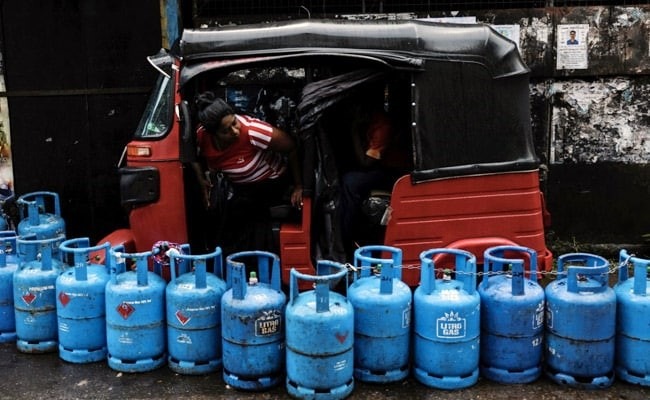
Sri Lanka raised fuel and transport prices on Tuesday, a long-awaited effort to fight the country’s crippling economic crisis, but the increases are likely to exacerbate the country’s already-rising inflation, at least in the short term.
Kanchana Wijesekera, the Power and Energy Minister, said on Twitter that fuel prices will jump by 20 percent to 24 percent, while diesel prices would climb by 35 percent to 38 percent, effective immediately.
“The Cabinet also approved similar revisions to transportation and other service tariffs,” he added.
Wijesekera also stated that people would be encouraged to work from home “to reduce the usage of fuel and to handle the energy crisis,” and that public sector officials would only work from the office when directed to do so by the institution’s head.
Food and transportation price rises, analysts predict, will affect food and other items.
Annual inflation in the island nation reached a new high of 33.8 percent in April, up from 21.5 percent in March, according to government figures released on Monday.
Sri Lanka is experiencing its greatest economic crisis since independence, with imports halted and the country running low on fuel, medicines, and power.
The financial difficulties have resulted from a combination of the COVID-19 pandemic, rising oil costs, and populist tax cuts implemented by President Gotabaya Rajapaksa and his brother, Mahinda, who resigned as prime minister this month.
Economists believe that raising fuel and power prices will be necessary to close a significant deficit in government revenue, but that it will cause short-term suffering.
According to Dhananath Fernando, an economist at the Colombo-based think tank Advocata Institute, fuel prices have risen 259 percent since October of last year, and diesel prices have risen 231 percent. Food and other necessities have become more expensive, he claims.
“The poor will be the hardest hit. The idea is to construct a cash transfer system to assist the impoverished while increasing efficiency to the greatest extent possible.”
Prime Minister Ranil Wickremesinghe, who took over for Mahinda Rajapaksa after violence erupted between government demonstrators and protesters earlier this month, warned last week: “In the near future, we will confront even more challenging circumstances. Inflation could rise further.”